
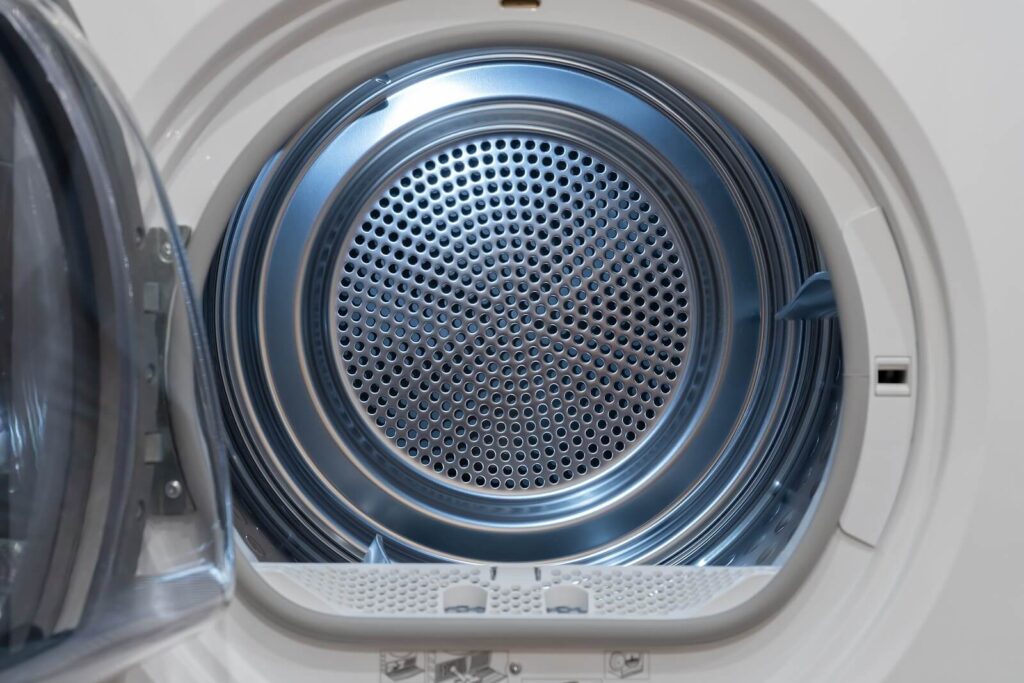
When your dryer starts making unusual noises or stops drying your clothes properly, it can be frustrating. One of the most common but often overlooked culprits behind these issues is the blower wheel. Paired with the dryer drum, this component plays a critical role in airflow and drying efficiency. Knowing how to identify and troubleshoot blower wheel problems can help you avoid unnecessary repairs and keep your appliance running smoothly.
What is a Blower Wheel?
The blower wheel in a dryer is a fan-like component that circulates air through the drum and exhaust system. It pulls air through the heating element, moves it through the drum to dry your clothes, and finally pushes the moist air out through the vent. When this part becomes damaged or clogged, airflow is restricted — leading to longer drying times, poor performance, and even overheating.
Blower wheels are typically made of plastic or metal and have blades or fins that rotate rapidly while the dryer is in use. If the wheel is loose, broken, or obstructed, the dryer may still turn on but won’t function properly.
Where is the Blower Wheel Located?
The blower wheel is usually located near the bottom of the dryer, either behind the front or rear panel, depending on the model. It’s mounted on the motor shaft and is housed inside the blower housing. In most dryers, accessing the blower wheel will require removing the front panel, drum, or rear cover, so take safety precautions — unplug the unit before starting any inspection or repair.
What Type of Noise Can You Expect?
One of the first signs of a faulty blower wheel is unusual noise. These can include:
Scraping or thumping – often caused by a loose or misaligned wheel rubbing against the housing
Rattling – may indicate broken or cracked blades
Whistling or reduced airflow sounds – can mean lint or debris has clogged the wheel or vent system
If your dryer is noisy and not drying as efficiently as it used to, it’s worth checking the blower wheel before assuming it’s a drum or belt issue.
How to Test the Blower Wheel
Testing the blower wheel doesn’t always require removing the entire dryer. Here are a few steps to help you diagnose the issue:
Unplug the dryer. Safety first.
Access the blower housing. Depending on your model, this may require removing the front or rear panel.
Inspect the wheel visually. Look for visible cracks, missing fins, or debris caught in the blades.
Spin the wheel manually. It should spin freely without wobbling. If it feels loose or hits the housing, that’s a problem.
Check for obstructions. Lint buildup around the wheel is common and can cause noise and poor airflow.
If the wheel is damaged or loose, it will need to be replaced. Luckily, it’s a relatively affordable part — but proper installation is key to prevent future issues.
Trust the Pros at GIR Appliance
A faulty blower wheel may seem like a small issue, but it can lead to bigger problems with your dryer if left unaddressed. If you’re unsure how to inspect or replace this part — or if your dryer is still making strange noises after cleaning it out — it’s time to bring in the experts.
GIR Appliance is a trusted name in appliance repair for The Woodlands and Houston area. From blower wheel replacements to full drum diagnostics, their experienced technicians are equipped to fix the problem fast and get your dryer working like new. Don’t let a small issue turn into a major repair — contact GIR Appliance today for professional, reliable service.
Dealing with drum or blower wheel problems? Our technicians provide same-day dryer repair in The Woodlands, Houston & Kingwood — all brands, upfront pricing, $55 service call applied to repair.
Common Dryer Drum Problems That Need Professional Repair
While the blower wheel handles airflow, the dryer drum is the rotating barrel that actually tumbles your clothes. When drum components wear out, the symptoms can overlap with blower wheel issues — making accurate diagnosis essential. Here are the most common dryer drum problems GIR Appliance technicians encounter across The Woodlands, Spring TX, Conroe TX, and Kingwood TX.
Worn Drum Seals: The drum seal (also called a felt seal or drum gasket) runs along the front and rear edges of the drum, preventing hot air from escaping around the drum’s perimeter. When this seal wears thin or tears, you may notice clothes getting caught on the rough edge during a cycle, squeaking noises as the drum rotates, or drastically longer drying times because conditioned air is leaking out instead of circulating through your laundry. A damaged front seal is one of the top reasons dryers lose efficiency even when the heating element and blower wheel are functioning normally.
Damaged Drum Glides or Slides: Drum glides (sometimes called drum slides or drum bearings) are small plastic or nylon pads that support the front of the drum as it rotates. Over time, friction wears these pads down, which causes the drum to drop slightly and drag against the cabinet housing. You’ll typically hear a squealing or grinding noise that worsens over time, and in advanced cases the drum may visibly wobble during operation. Replacing glides is a straightforward repair, but accessing them usually requires dismantling the front panel and lifting the drum out entirely.
Drum Not Turning: If the drum has stopped spinning entirely but the dryer still produces heat and the motor runs, the culprit is almost always a broken drive belt. The drive belt wraps around the drum, the motor pulley, and an idler pulley — if it snaps, the drum simply sits still. In some cases it’s not the belt but a seized idler pulley or a failed motor capacitor. Brands like Whirlpool and Maytag use a single long belt that is relatively inexpensive to replace, while LG and Samsung front-loaders route their belts differently and may require additional disassembly to access the idler tensioner.
🔧 Need a professional repair?
GIR Appliance Repair serves Houston, The Woodlands & Kingwood — same-day availability.
Drum Hitting the Cabinet Wall: A thumping or banging sound that occurs in rhythm with the drum’s rotation often means the drum has shifted out of alignment and is contacting the cabinet wall or front panel. This can happen when rear drum bearings fail (common in older GE and Whirlpool models), when the drum support rollers wear flat spots, or when the rear bulkhead becomes loose. Left unrepaired, metal-on-metal contact accelerates wear and can damage the drum shell itself. Drum problems in brands like Whirlpool, Maytag, LG, and Samsung differ slightly in how they present — Whirlpool units tend to develop roller flat-spots, while Samsung models more often exhibit rear-bearing failures that produce a distinct grinding under load.
Dryer Drum & Blower Wheel Repair Costs in The Woodlands & Houston
Wondering what it will cost to fix your dryer? Below are typical price ranges GIR Appliance customers see for the most common drum and blower wheel repairs in The Woodlands, Spring TX, and surrounding areas. Costs vary by brand, model, and parts availability, but these figures give you a realistic starting point.
| Repair Type | Typical Cost Range | Notes |
|---|---|---|
| Blower wheel replacement | $85 – $175 | Includes lint housing cleaning; most brands same day |
| Drum seal replacement | $100 – $200 | Front and rear seals often replaced together for longevity |
| Drum glide / slide replacement | $75 – $150 | Full set of glides replaced to prevent uneven wear |
| Full drum belt + blower service | $150 – $250 | Combined service saves labor; common on 8–12 year old units |
| Motor replacement | $200 – $350 | Includes blower wheel inspection and reattachment |
Prices include parts and labor in The Woodlands, Spring TX, and Conroe TX. GIR Appliance’s $55 diagnostic fee is applied toward the repair cost, so you’re never paying for an estimate you don’t use.
When to DIY vs. Call GIR Appliance for Drum & Blower Wheel Repairs
Not every dryer symptom requires a service call. Some basic maintenance tasks are well within reach for a handy homeowner, while other repairs involve high-voltage components, precise reassembly, and specialty tools that make professional service the smarter choice. Here’s how to decide.
What You CAN Do Yourself
Lint cleanup and vent clearing: Removing lint from the lint trap, vacuuming the lint trap cavity, and cleaning the exterior vent flap are maintenance tasks any homeowner can handle. A clogged vent dramatically reduces drying efficiency and can be mistaken for a blower wheel problem. Do this at least once a year — more often if you dry heavy loads like towels or bedding frequently.
Removing visible debris from blower wheel access: On some dryer models, you can access the blower wheel area by removing the lower front kick panel without fully disassembling the unit. If you can see a sock or piece of fabric caught in the blower housing, carefully remove it with needle-nose pliers after unplugging the machine. This simple fix resolves a surprising number of rattling complaints.
Cleaning the drum interior: Residue from dryer sheets, fabric softener, and stray items (crayons, lip balm, pens) can coat the drum interior and cause odors or staining. Wiping the drum down with a damp cloth and a small amount of rubbing alcohol is safe and effective. Check the drum seams for rough spots or snags while you’re at it.
What Requires a Professional
Replacing the blower wheel: Getting to the blower wheel means removing the front panel, drum, and often the blower housing itself. Reassembling these components in the correct order — and ensuring the wheel is seated securely on the motor shaft — requires experience to avoid introducing new noise problems or airflow leaks. Our technicians who service dryers in The Woodlands and Spring TX handle these repairs daily and carry common replacement wheels in their service vehicles.
Drum seal and drum roller replacement: Drum seals and rollers require the drum to be fully removed from the cabinet. Misaligning a new seal causes air leaks that defeat the purpose of the repair, and improperly seated rollers can cause noise within days. If you’re hearing squealing consistent with a seal or roller issue, check out our guide on dryer drum roller problems for symptom detail, then call us for the fix.
Motor access and electrical diagnosis: If the drum isn’t spinning and you’ve confirmed the belt is intact, the problem may be a failed motor start capacitor, a seized bearing, or a tripped thermal fuse. These repairs involve live 240V wiring and require a multimeter to diagnose correctly. Combine this with the information in our dryer thumping noise guide to rule out mechanical causes before scheduling a service visit.
Blower Wheel Problems by Brand: What GIR Technicians See in The Woodlands
Blower wheel failures don’t look the same across every dryer brand. GIR Appliance technicians have serviced hundreds of dryers across The Woodlands, Conroe TX, Kingwood TX, and Spring TX, and certain brand-specific patterns show up repeatedly in our repair logs.
Samsung: Samsung dryers are prone to lint bypassing the lint screen and accumulating directly in the blower housing. The housing design on many Samsung models creates a low-velocity zone where fine lint particles settle over time rather than being expelled through the vent. If your Samsung dryer is running long cycles and producing a faint whistling sound, a blower housing cleanout is often the first thing our technicians check before replacing any parts.
Whirlpool and Maytag: These sister brands share a common platform that includes a secondary lint screen bypass filter located behind the drum. When this filter clogs — which happens gradually over years of use — airflow to the blower wheel drops significantly, causing the motor to work harder and the blower to cavitate (spin without moving adequate air). Homeowners rarely know this filter exists because it’s not visible without removing the rear panel, yet it’s one of the most impactful maintenance items on these platforms.
LG: Older LG dryer models (particularly those manufactured before 2018) can develop brush wear on the blower motor itself, reducing rotational speed even when the wheel appears undamaged. The symptom is a dryer that runs its full cycle but leaves clothes damp, with no obvious noise to indicate a problem. If you have an LG dryer that’s more than seven years old and suddenly lost drying power, motor brush wear is worth investigating before replacing the heating element.
GE: GE dryers use a plastic clip to secure the blower wheel to the motor shaft rather than a traditional threaded nut. This clip can loosen over time — especially in areas with hard water where mineral deposits cause slight corrosion around the shaft — allowing the wheel to wobble and create intermittent scraping sounds. The repair is quick once diagnosed, but the symptom is often misattributed to a drum roller problem because the sound pattern is similar.
Frequently Asked Questions About Dryer Drum & Blower Wheel Issues
How do I know if my dryer’s blower wheel is clogged vs. broken?
A clogged blower wheel typically produces reduced airflow with little or no unusual noise — your dryer runs normally but clothes come out damp and cycle times stretch well beyond normal. A broken or cracked wheel, by contrast, usually creates an obvious rattling, scraping, or thumping noise because broken fins are hitting the housing or the unbalanced wheel is vibrating. To confirm a clog, access the blower housing and look for visible lint packing; to check for breakage, inspect the fins closely for cracks or missing sections. When in doubt, call GIR Appliance at (346) 625-4289 for a diagnostic visit — we’ll identify the exact cause and give you upfront pricing before any repair begins.
Can a bad blower wheel cause my dryer to overheat?
Yes — this is one of the more serious consequences of ignoring a failing blower wheel. The blower wheel is responsible for moving hot air out of the drum and through the exhaust vent. When airflow is restricted by a damaged or clogged wheel, heat builds up inside the drum and the heating element cavity. Most modern dryers have a thermal fuse that cuts power to the heater when temperatures reach unsafe levels, which is why a bad blower wheel often eventually causes the dryer to stop heating entirely. In older machines or units where the thermal fuse has already been bypassed, the risk of scorched clothing or even a dryer fire increases significantly. If your dryer runs very hot to the touch or trips its thermal fuse repeatedly, blower wheel airflow should be the first thing inspected.
How long does a blower wheel replacement take?
In most standard top-load and front-load residential dryers, a blower wheel replacement takes between 45 minutes and 1.5 hours in the hands of an experienced technician. The bulk of the time is spent safely disassembling the cabinet, removing the drum to access the blower housing, and reassembling everything correctly. GIR Appliance technicians serving The Woodlands, Spring TX, and Conroe TX stock the most common replacement wheels for Whirlpool, Maytag, Samsung, LG, and GE dryers, so same-day completion is typical when the correct part is confirmed during scheduling.
My dryer drum stopped spinning but it still heats — what’s wrong?
This symptom almost always points to a broken drive belt. The drive belt is a long, thin rubber loop that wraps around the drum and connects to the motor via an idler pulley. When the belt snaps, the motor and heating element continue to run (because they operate on separate circuits) but the drum has nothing driving its rotation. You can often confirm a broken belt by reaching into the drum and trying to turn it by hand — if it spins very freely with no resistance at all, the belt is likely broken. Idler pulley failure produces a similar symptom but is usually accompanied by a grinding noise just before the belt gives out. This is a straightforward repair that GIR Appliance can typically complete on the first visit.
Does GIR Appliance service dryers in Spring TX and Conroe TX?
Yes — GIR Appliance provides dryer repair throughout The Woodlands, Spring TX, Conroe TX, and Kingwood TX, as well as the broader Houston metro area. Whether you’re dealing with a blower wheel clog, a broken drum belt, worn drum seals, or a dryer that simply won’t start, our technicians are dispatched from The Woodlands and can typically reach Spring TX and Conroe TX customers the same day or next day. Call us at (346) 625-4289 to schedule service or to ask whether your specific dryer model and symptom qualifies for our $55 diagnostic special.
Ready to schedule your repair?
We serve The Woodlands, Kingwood, Spring, Humble & greater Houston. Call or book online.