
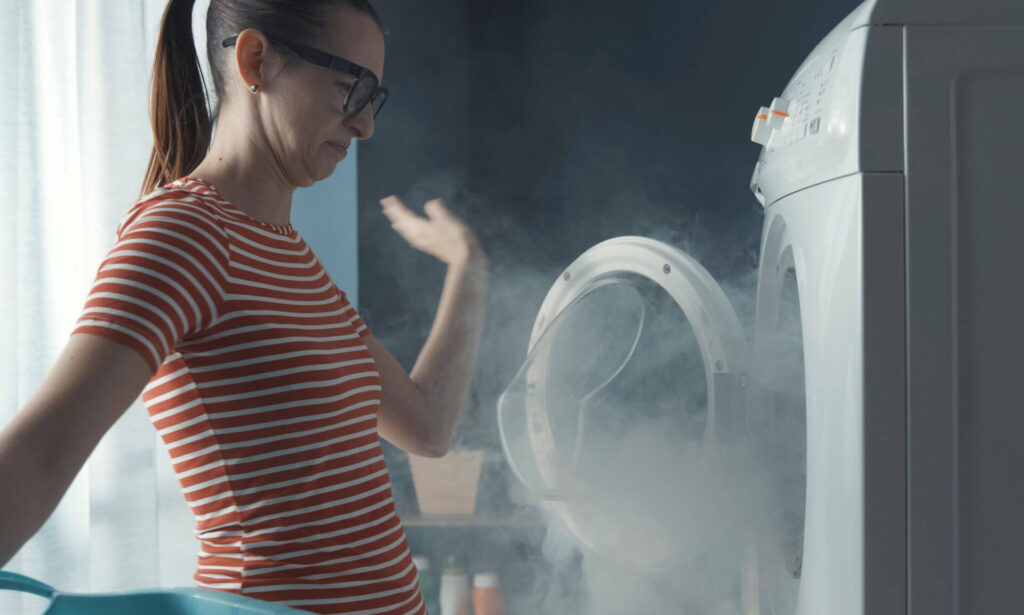
A dryer thermostat plays a critical role in regulating temperature and preventing overheating. When the thermostat malfunctions, it can lead to inefficient drying, overheating, or no heat at all. If your dryer isn’t working correctly, the thermostat may be to blame. Here’s how to identify a faulty dryer thermostat and what you can do about it.
What Does a Dryer Cycling Thermostat Do?
A dryer cycling thermostat helps maintain a consistent temperature inside the dryer drum. It works by:
- Sensing the temperature inside the dryer.
- Turning the heating element on and off to prevent overheating.
- Ensuring clothes dry evenly without excessive heat damage.
Most dryers have at least one thermostat, but some models include multiple thermostats for different functions, such as a high-limit thermostat for extra safety.

How to Know if the Dryer Thermostat is Bad
A faulty thermostat can cause several issues, including:
- Clothes taking too long to dry – If the thermostat isn’t regulating heat properly, drying cycles may last longer than usual.
- Overheating dryer – If the thermostat fails to shut off the heat, the dryer may become dangerously hot.
- No heat at all – A broken thermostat can also prevent the heating element from turning on, leaving clothes damp.
- Burning smell – Excessive heat from a malfunctioning thermostat can cause a burnt odor inside the dryer.
Testing the Thermostat
If you suspect your dryer thermostat is faulty, you can test it with a multimeter:
- Unplug the dryer and locate the thermostat (usually behind the back panel).
- Remove the thermostat and set the multimeter to the continuity setting.
- Place the probes on the thermostat terminals — if there’s no continuity, the thermostat is defective.
If the thermostat fails the test, it will need to be replaced.
What if My Dryer Doesn’t Have a Thermostat?
Some modern dryers don’t use traditional thermostats and instead rely on electronic temperature sensors. These sensors serve the same function but may also fail, leading to:
- Inconsistent heating
- Long drying times
- Unexpected shut-offs
If your dryer has digital temperature controls, you may need a professional to diagnose and repair the issue.
How to Keep the Dryer Heating Correctly
To prevent thermostat failures and keep your dryer working efficiently:
- Clean the lint filter after every load – A clogged lint filter can cause the dryer to overheat.
- Check and clean dryer vents regularly – Blocked vents can force the dryer to work harder, damaging the thermostat.
- Avoid overloading the dryer – Too many clothes can lead to uneven heating and put strain on the thermostat.
- Schedule regular maintenance – Having a professional inspect your dryer can prevent unexpected breakdowns.
The Difference Between a Cycling Thermostat and a High-Limit Thermostat
Most residential dryers actually contain two separate thermostats, and understanding which one has failed makes a significant difference in how you approach the repair. Knowing the distinction can save you time, money, and the frustration of replacing the wrong part.
The cycling thermostat is the one that does the everyday work. It cycles the heating element on and off to keep the drum temperature within a normal operating range, typically around 135°F for most fabric settings. When the cycling thermostat starts to fail, you’ll usually notice inconsistent heat — clothes that take two or three cycles to fully dry, or a drum that feels barely warm even on the high setting. The dryer runs, air moves, but the temperature never quite gets where it needs to be.
The high-limit thermostat is a safety device. It sits higher on the exhaust duct or heating element housing and is designed to trip at approximately 250°F or above — well beyond normal operating temperatures. Its job is to cut power to the heating element before a fire hazard develops. When the high-limit thermostat fails, or has been tripped by an overheating event, the result is typically no heat at all. The dryer tumbles, the motor runs, but nothing gets warm. This is the single most common reason for a dryer that runs but produces zero heat.
Here’s the critical thing to understand: a high-limit thermostat doesn’t usually fail on its own. It trips because the dryer got dangerously hot — and the most common cause of that is a blocked exhaust vent. If you simply replace the high-limit thermostat without clearing the vent restriction, the new thermostat will trip again within days or weeks. Our dryer repair service always includes a vent inspection as part of any thermostat replacement, because fixing the symptom without addressing the root cause is a waste of everyone’s time and money.
🔧 Need a professional repair?
GIR Appliance Repair serves Houston, The Woodlands & Kingwood — same-day availability.
Step-by-Step: How to Replace a Dryer Thermostat
If you’ve confirmed via multimeter that your thermostat has failed, replacing it is a manageable DIY repair on most standard dryer models. Replacement thermostats typically cost $10–$30 in parts; the complexity lies in the disassembly. Here’s how to do it safely:
- Disconnect power completely. For electric dryers, unplug the power cord or flip the dedicated 240V circuit breaker. For gas dryers, unplug the power cord and turn the gas supply valve behind the unit to the off position. Never work on a dryer that is still connected to power or gas.
- Pull the dryer away from the wall. Give yourself at least two feet of working space behind the unit. Disconnect the exhaust duct from the back — this is also your chance to check it for lint buildup or kinks that may have caused the thermostat to overheat in the first place.
- Locate and remove the rear access panel. On most brands (Whirlpool, Maytag, Samsung, GE), the thermostat is accessible from the back. Remove the 2–4 Phillips-head screws holding the panel in place and set it aside. Some front-load models require removing the front panel or top panel instead — consult your model’s service manual if unsure.
- Find the thermostat(s). The cycling thermostat is usually mounted on the exhaust duct inside the cabinet. The high-limit thermostat is typically attached directly to the heating element housing. Both are small oval or rectangular components with two wire terminals.
- Photograph the wiring before you touch anything. Use your phone to take a clear photo of how the wires connect to the thermostat terminals. This takes ten seconds and eliminates any guesswork during reassembly.
- Disconnect the wiring harness. Press the release tab on each connector and pull the wire terminals off the thermostat. Do not yank the wires — pull on the connector, not the wire itself.
- Unscrew and remove the old thermostat. Most thermostats are held in place by one or two small screws. Remove them, lift the thermostat out, and compare it to your replacement part to confirm it matches.
- Install the new thermostat and reconnect wiring. Mount the new thermostat in the same position, tighten the mounting screws, and reconnect the wire terminals using your photo as a reference. Each connector should click firmly into place.
- Reassemble and run a test cycle. Replace the access panel, reconnect the exhaust duct, and restore power. Run a full timed dry cycle on high heat and check that the drum reaches normal operating temperature. If heat is consistent and the cycle completes normally, the repair is successful.
If you replace the thermostat and still have no heat, the issue may lie with the heating element, the thermal fuse, or the control board — at which point a professional diagnostic is the most efficient next step. You can learn more about what triggers these failures in our guide on dryer not heating causes and solutions.
Dryer Thermostat Repair Cost — The Woodlands TX
Dryer thermostat repair is one of the more affordable appliance fixes, but the total cost depends on which component has failed, the brand of dryer, and whether there are secondary issues like a blocked vent or a burned-out heating element. Here’s a general range for what homeowners in The Woodlands, Spring, and Conroe TX can expect to pay for professional repair:
| Service | Typical Cost | Notes |
|---|---|---|
| Cycling thermostat replacement | $100 – $175 | Includes parts and labor; most common repair |
| High-limit thermostat replacement | $120 – $200 | Often paired with vent cleaning to prevent recurrence |
| Vent cleaning + thermostat reset | $130 – $220 | Recommended when vent blockage caused the failure |
| Heating element replacement (if both fail together) | $200 – $350 | Element + thermostat replaced as a set on older units |
| Full dryer diagnostic | $75 – $100 | Applied toward repair cost if you proceed with service |
These ranges reflect typical pricing in the Houston metro area. Costs may vary depending on the dryer brand, model year, and parts availability. GIR Appliance provides upfront estimates before any work begins — no surprise charges.
Frequently Asked Questions
How do I know if it’s the thermostat vs. the heating element causing no heat?
Both can result in a dryer that runs but produces no heat, which makes them easy to confuse. The quickest way to tell them apart is with a multimeter set to continuity. A failed thermostat will show no continuity at room temperature. A failed heating element will also show no continuity across its terminals. Since both tests take only a few minutes and require the same access panel to be removed, most technicians test both components at the same time during a diagnostic visit. If the thermal fuse has also blown, that’s a separate component worth testing while you’re in there.
Why does my dryer keep shutting off before clothes are dry?
Premature shut-off is most often caused by the high-limit thermostat doing exactly what it was designed to do — tripping to prevent overheating. The underlying trigger is usually restricted airflow: a clogged lint screen, a kinked exhaust hose, or a vent duct that hasn’t been cleaned in years. Once the dryer can’t expel heat fast enough, internal temperatures spike and the safety thermostat cuts power. Cleaning the exhaust path from the dryer all the way to the exterior wall cap is the first step. If shut-offs continue after the vent is clear, a technician should inspect the moisture sensors and thermistor.
Can a blocked dryer vent cause the thermostat to fail?
Yes — this is actually the most common cause of high-limit thermostat failure. When the exhaust vent is partially or fully blocked, heat has nowhere to go. The temperature inside the drum and heating element housing climbs far above normal levels, eventually tripping the high-limit thermostat. Over time, repeated overheating events can cause the thermostat to fail permanently rather than just tripping. If your dryer vent hasn’t been cleaned in the past year, or if you notice longer drying times and a hot exterior cabinet, scheduling a vent cleaning is a smart preventive step. For related drum issues caused by restricted airflow, see our post on identifying dryer drum roller problems, which sometimes present with similar symptoms.
Is it safe to run a dryer with a faulty thermostat?
No. A dryer with a failed cycling thermostat may run continuously at maximum heat without cycling off, which can scorch fabrics, damage the heating element, and in the worst cases create a fire hazard — particularly if lint has accumulated inside the cabinet or vent duct. A failed high-limit thermostat that no longer trips means there’s no safety cutoff if the dryer overheats. Either scenario warrants stopping use of the dryer until the thermostat is tested and replaced. Dryer fires are among the most common home appliance fires reported annually, and thermostat failure combined with lint buildup is a well-documented contributing factor.
Does GIR Appliance repair dryers in Spring TX and Conroe TX?
Yes. GIR Appliance serves the entire Houston north metro, including Spring TX, Conroe TX, The Woodlands, Kingwood, Humble, and surrounding communities. We carry common thermostat parts for major brands — Whirlpool, Maytag, GE, Samsung, LG, Electrolux, and more — so most thermostat replacements can be completed in a single visit. Call us at (346) 625-4289 to schedule same-day or next-day dryer repair service in your area.
Get Expert Dryer Repair with GIR Appliance
If your dryer isn’t heating properly or is taking too long to dry clothes, it may have a faulty thermostat. At GIR Appliance, we specialize in diagnosing and repairing dryer issues, including thermostat malfunctions, heating element failures, and vent blockages. We proudly serve The Woodlands and Houston area, providing fast and reliable appliance repair services. Contact GIR Appliance today for expert dryer repair!
Learn more:
Ready to schedule your repair?
We serve The Woodlands, Kingwood, Spring, Humble & greater Houston. Call or book online.